

The Flying Fish Fable: How Trump’s “Civil Unrest” Narrative Went Off the Rails in Memphis
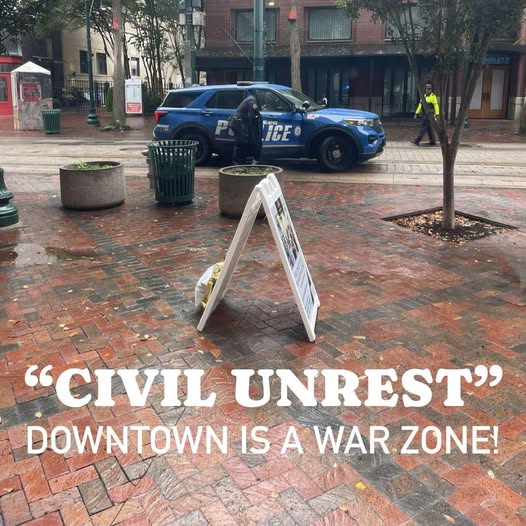
My family is very familiar with this area. I played on Beale Street and my brother went to Booker T. Washington around the corner of the Flying Fish restaurant. A likely place I have been to before leaving the South for good, all though I visit family, and still have a love for my childhood home.
When the Memphis Flying Fish restaurant closed its doors recently, most locals chalked it up to the same economic and operational challenges facing small businesses everywhere—rising costs, staff shortages, and the shifting landscape of post-pandemic dining. But in the age of Trump’s misinformation machine, even a simple restaurant closure can be twisted into political propaganda.
Almost immediately, MAGA circles began circulating the claim that Flying Fish was a “casualty of civil unrest”—a convenient talking point to prop up Donald Trump’s ongoing narrative that America is descending into chaos under Democratic leadership. The claim, of course, is completely false. There were no riots, no looting, no violent protests in downtown Memphis connected to the restaurant’s closure. But that didn’t stop the rumor mill from spinning.
Trump himself has been amplifying the idea that the country is in a state of “collapse” due to left-wing violence and government mismanagement. It’s part of a larger political playbook—one built on fear and exaggeration—to convince his supporters that only his return to power can restore order. And his followers are eager to oblige, turning any business setback, crime report, or protest video into “proof” of nationwide anarchy.
In the case of Flying Fish, that fiction spread fast. Social media accounts aligned with MAGA media quickly seized on the closure, framing it as another example of “Biden’s America” supposedly under siege. The problem? There’s no evidence of unrest, no broken windows, no vandalism—just the quiet and unfortunate closing of a beloved local restaurant.
What makes this kind of misinformation particularly toxic is how it feeds into a feedback loop of outrage. Trump makes a sweeping, baseless claim about chaos in the streets; his followers find random stories to validate it; and soon the lie takes on a life of its own. The truth becomes secondary to the thrill of grievance.
Memphis, like most of the country, isn’t burning. It’s rebuilding. It’s reckoning with economic shifts, political polarization, and a media landscape poisoned by disinformation. But Trump and his MAGA loyalists would rather see flames where there are none—because fear fuels their movement.
The Flying Fish didn’t close because of “civil unrest.” It closed because running a restaurant in today’s America is tough. But in Trump’s post-truth playbook, facts no longer matter—only the fiction that keeps his followers angry, divided, and ready to fight ghosts of his own making.
In the end, the real unrest isn’t in the streets. It’s in the minds of those who’ve traded reality for revenge.