

A lot of people in the U.S. feel this way right now, and there are several overlapping reasons why companies can appear to be “avoiding” customers or making human interaction harder.
Here are the biggest drivers:
Automation and Cost Cutting
Many corporations spent the last decade aggressively reducing labor costs:
self-checkout
AI chatbots
app-only support
automated phone trees
reduced staffing
From a corporate perspective, fewer employees means higher margins and more predictable costs. But from the customer side, it can feel like the company is actively hiding from you.
Examples include companies like Amazon, Walmart, airlines, telecoms, and banks increasingly routing people through apps before allowing human contact.
“Friction by Design”
Some companies intentionally make cancellation, refunds, or support difficult because friction reduces costs.
Examples:
subscription cancellation loops
endless chatbot escalation
limited customer service hours
no direct phone numbers
forcing app use
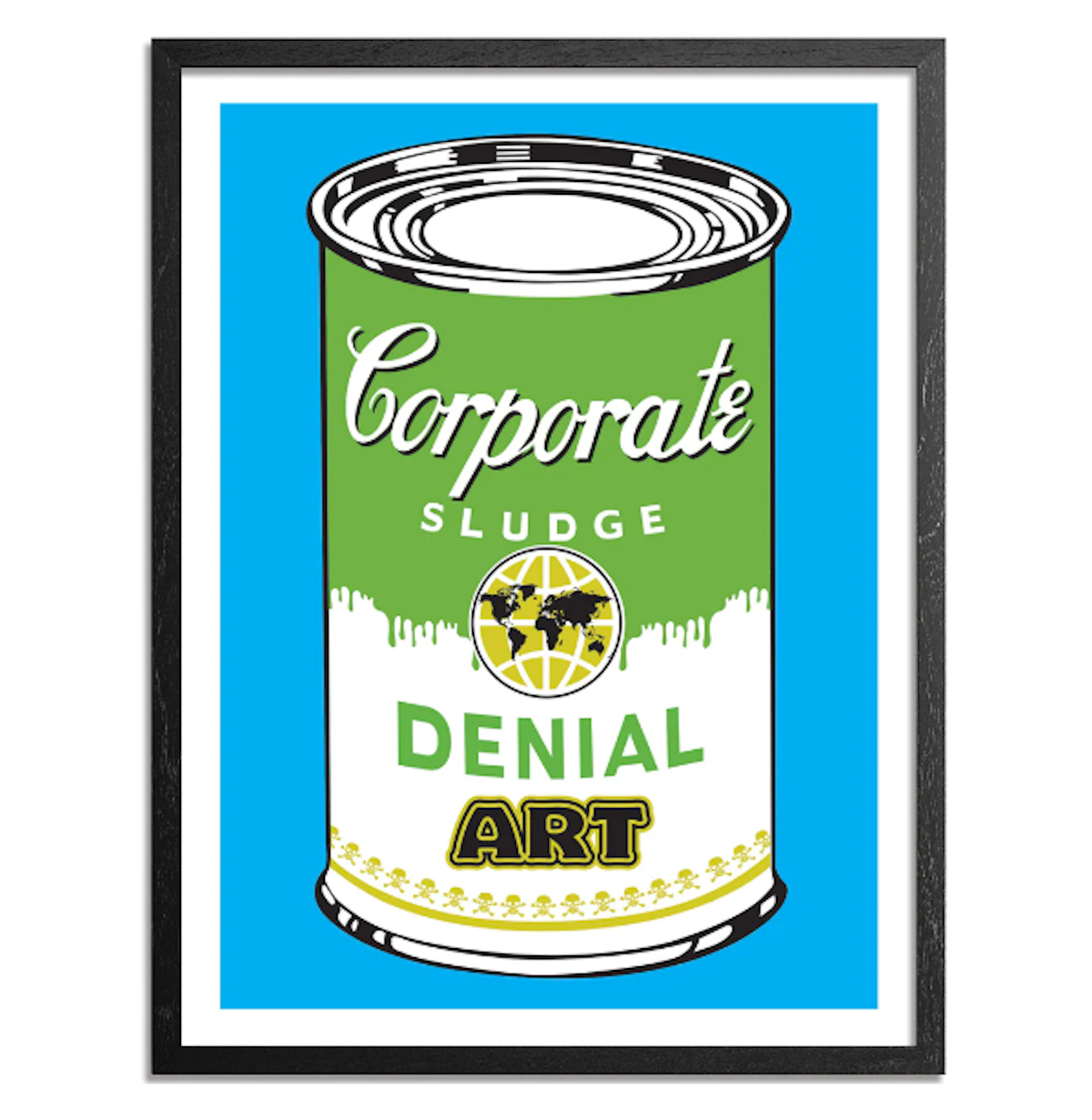
There’s actually a term for this in some consumer advocacy circles: “sludge” — systems designed to exhaust customers into giving up.
Shift From Service to Metrics
Public companies are often optimized around:
quarterly earnings
shareholder expectations
efficiency metrics
labor productivity
Customer satisfaction matters, but it sometimes becomes secondary to:
reducing average call time
reducing support headcount
increasing “digital adoption”
So companies may still say “customer first,” while internally rewarding departments for minimizing customer contact.
Pandemic-Era Changes Never Reversed
During COVID:
companies cut staff
closed counters
moved online
normalized remote support
reduced in-person service
Many consumers expected those temporary measures to reverse afterward. In many industries, they didn’t — because companies discovered they could maintain profits with leaner staffing.
Private Equity and Consolidation
In some industries, consolidation reduced competition:
airlines
internet providers
healthcare systems
ticketing
food delivery
pharmacies
When customers have fewer alternatives, businesses feel less pressure to provide excellent service.
Private-equity-owned companies are also often pushed to maximize short-term profitability, which can lead to understaffing and degraded service.
Apps Replaced Relationships
Many companies now treat customers as data flows rather than long-term relationships.
Instead of:
knowing regular customers
empowering employees
solving problems personally
the model became:
funnel users through platforms
collect behavioral data
optimize engagement
reduce costly human interaction
That can make businesses feel impersonal or even adversarial.
Employee Burnout Also Matters
Workers themselves are often overloaded:
fewer staff doing more work
stricter scripts
performance surveillance
understaffed locations
So even when employees want to help, systems may prevent them from doing so effectively.
Why It Feels Worse Recently
Inflation and economic pressure amplify the frustration:
people are paying more
service quality often feels lower
wait times are longer
hidden fees increased
personalized help decreased
That combination creates the perception that corporations want your money but not your presence.
Some companies are starting to reverse course slightly because consumer backlash is growing — for example, some retailers reducing self-checkout reliance and some banks restoring more human support options — but the overall trend toward automation and reduced direct service is still strong.