
Trump's America and Gangs of New York: The Return of Bill the Butcher?
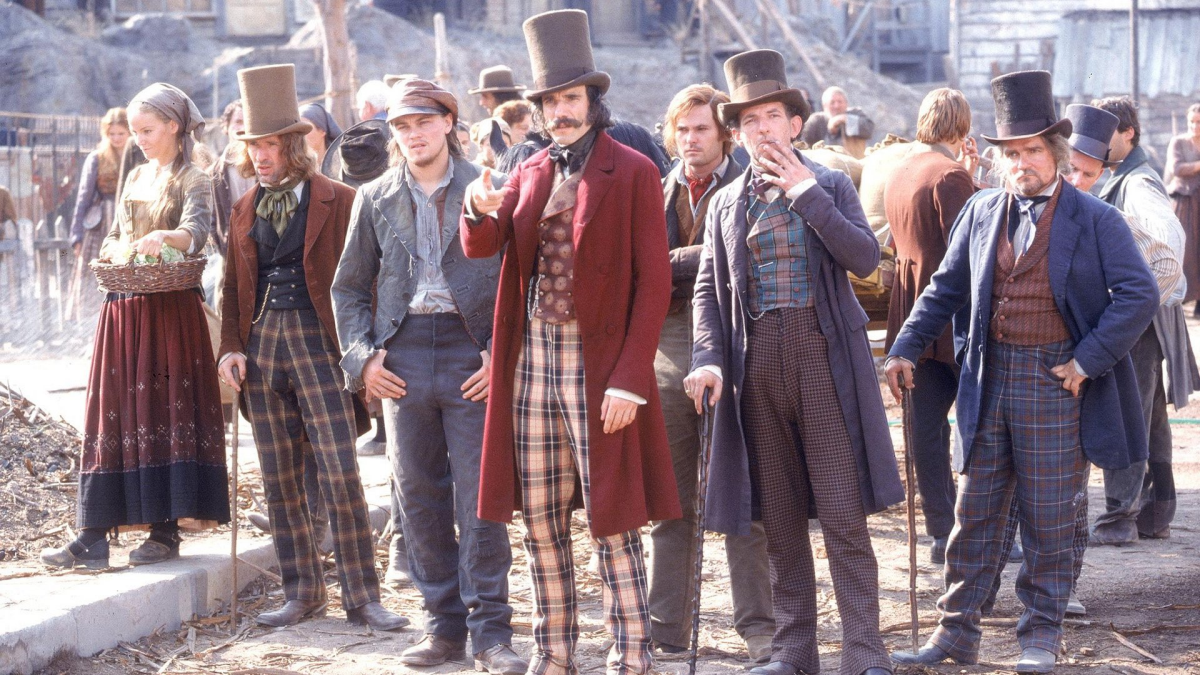
Martin Scorsese's Gangs of New York depicts a violent struggle for power in 19th-century New York, where fear, tribal identity, and strongman politics dominate public life. At the center of the story stands Bill the Butcher, a charismatic and ruthless leader who portrays himself as the defender of "real Americans" against outsiders.
Many critics of Donald Trump have drawn parallels between themes in the film and contemporary American politics. While the comparison is imperfect, the similarities provide a lens through which to examine concerns about nationalism, political violence, and the cult of personality.
Bill the Butcher's worldview is built around the idea that the country belongs to a select group of "true" Americans. He sees immigrants as a threat, dismisses democratic norms when convenient, and relies on intimidation to maintain power. Supporters admire his strength and willingness to confront enemies. Opponents see him as a dangerous demagogue.
Trump's critics argue that similar themes emerged during his political rise. They point to rhetoric about immigrants, attacks on institutions, hostility toward political opponents, and the elevation of personal loyalty above traditional democratic norms. In this interpretation, Bill the Butcher becomes less a historical character and more a symbol of a recurring style of politics.
Movie Scenes and Contemporary Parallels
Opening Battle of the Five Points
The film begins with rival factions literally fighting for control of their neighborhood.
Modern Parallel: Political polarization has increasingly divided Americans into competing camps that often view one another as existential threats rather than fellow citizens.
Bill's "Native Americans" Speech
Bill repeatedly argues that newcomers are destroying the nation and that only "real Americans" deserve power.
Modern Parallel: Critics compare this rhetoric to contemporary anti-immigration messaging that portrays immigrants as a threat to national identity.
Bill Uses Fear to Maintain Authority
Bill cultivates an image of strength and encourages followers to believe only he can protect them from danger.
Modern Parallel: Critics argue that modern populist movements often emphasize threats—crime, immigration, cultural change, or political enemies—to consolidate support.
Public Humiliation of Opponents
Bill frequently humiliates rivals in front of crowds to demonstrate dominance.
Modern Parallel: Political rallies and social media have increasingly rewarded ridicule, insults, and public shaming as political tactics.
Personal Loyalty Above Institutions: Loyalty to the leader over loyalty to institutions.
Modern Parallel: Trump demands loyalty from his cabinet members, similar to a gang leader or authoritarian leader.
Manipulation of Elections
The film depicts widespread corruption, voter intimidation, and political machines influencing outcomes.
Modern Parallel: Debates over election integrity, voting access, and attempts to overturn or challenge election results have raised concerns about democratic institutions.
The Culture of Personal Loyalty
Bill values loyalty to himself above all else.
Modern Parallel: Critics of Trump argue that loyalty to the leader has sometimes been treated as more important than loyalty to institutions or constitutional principles.
Violence Around Politics
Street violence and intimidation are recurring features of the film's political environment.
Modern Parallel: Incidents of political violence, threats against public officials, and confrontations at protests have increased concerns about the normalization of political intimidation.
The Draft Riots Finale
The film culminates in chaos as social tensions erupt into widespread unrest.
Modern Parallel: Many observers see echoes in moments when political divisions spill into mass protests, riots, or violent confrontations.
Conclusion
Gangs of New York remains relevant because it depicts how fear and identity can become powerful political weapons. For those who see parallels between Bill the Butcher and Trump-era politics, the film serves as a warning about what can happen when tribal loyalty overwhelms democratic values.
Whether one agrees with the comparison or rejects it entirely, the film raises enduring questions about who belongs, who holds power, and how a democracy responds when political conflict becomes a battle between competing visions of national identity.