

Being an artist on the go and on the road, keeping healthy is an almost unwinnable challenge. I struggle with weight, even though I try to maintain a six-pack and keep my energy levels high enough to do the job. It is a constant battle trying to juggle time, health options, convenience, and simple food boredom. I am not a vegetarian and “almost no-carb” high protein is my staple. Very hard to do and maintain. It sickens me that food choices in the last 10 years, piled on by inflation and outrageous prices makes staying healthy every more a struggle. The food industry goes unchecked and has exploited Americans for centuries, especially poor folks. I have radical views about nutrition based on what works and doesn't for me. I believe the best diet is the one that cavemen had access to and had to put in hard work to achieve. They did not have grocery stores, nor did they have abundances of fruits and vegetables, which look totally different today thanks to bio-engineering, genetic enhancements, selective breeding, and preservation practices, all geared to profit over health. Due to the post-COVID and MAGA society, the food industry has taken a “survival and profits over service” approach like many other companies today.
I travel the world, some of my favorite places to go are in Europe. People are so skinny, yet the only options in some areas to buy food are to go down to the local market in the local neighborhoods. Absolutely the freshest food you could ever buy, but you have to buy daily because it doesn't keep in the fridge or freezer like American food. But it is “oh soooo good” comparatively.
As a kid, I loved kid's cereals, all “vitamin packed” yet deceptively nutrition-void. The vitamin/mineral craze, which I believe to be a myth, has given an excuse to load kids with deceptive ads, fake nutritional value, and health problems as a result. Vitamins and minerals are required for the body to function. The only reason anyone ever needs supplementation is due to health reasons. Supplementation otherwise comes out in your piss as quickly as it went into your body. In other words, not needed nor beneficial! Tell me how Cheerios gets away with touting itself as “good for the heart” when its number one ingredients are “sugar” and “refined oat flour”, refined meaning all fiber removed. It is pure legalized fraud
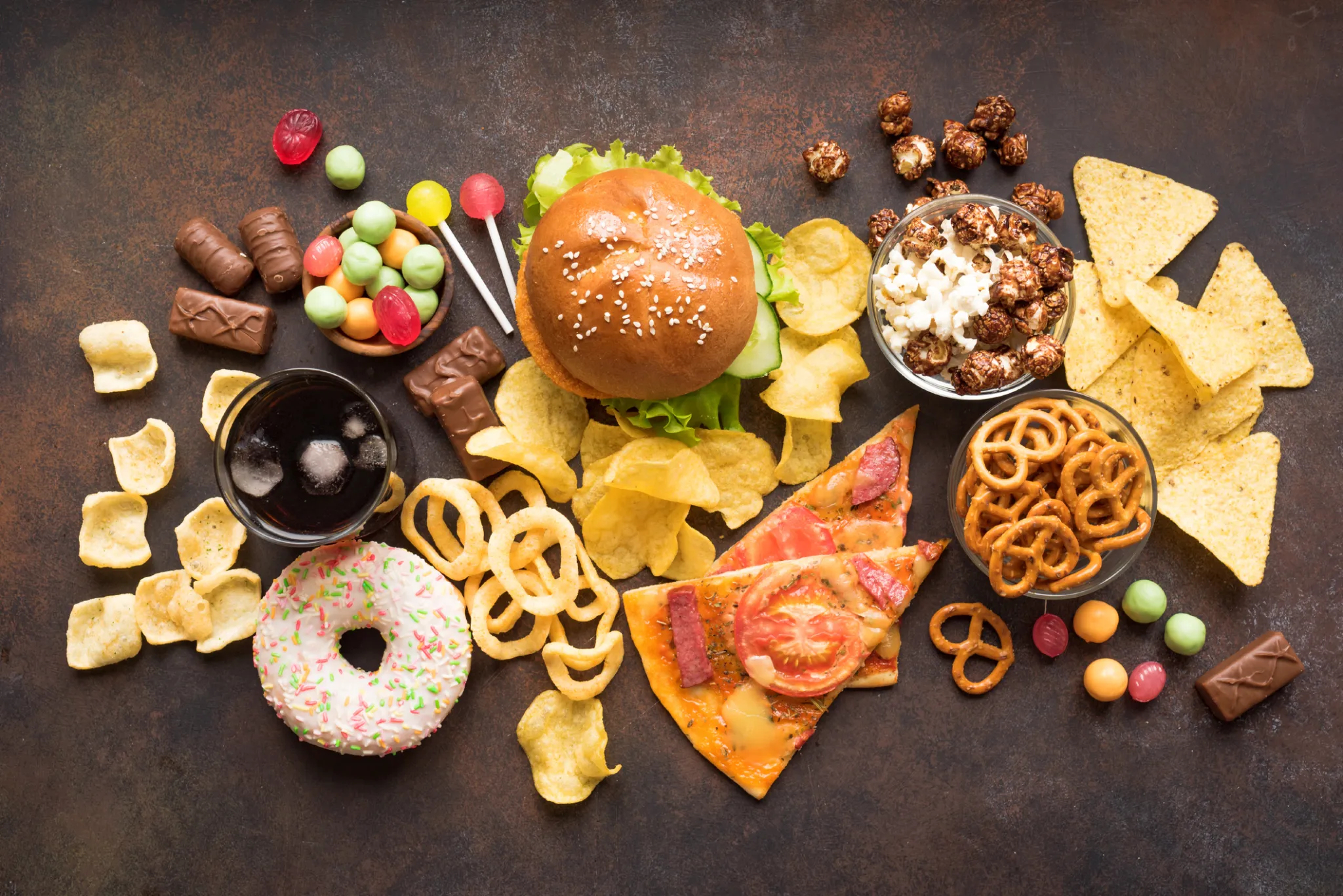
I am convinced that sugar is the root of all evil. So many illnesses and maladies are attributed to sugar even though many say “fat” is the enemy. Not so! Fat along with sugar is the worst. But sugar is what makes fat storage and builds cholesterol, not fat alone. Think about it, where can you find natural sugar, and in the supplies that we consume. No where! Sugar cane and sugar beets are sources but who eats them raw and where can you even find or harvest them? Sugar is a necessity, but so is uranium, globally speaking, but only when you extract, refine, purify, and concentrate uranium, can you produce nuclear energy or bombs. Sugar is the same way, in natural forms, i.e. fruit (not juice), its relatively benign, yet not innocent. Extract it, refine it, sell in bulk, and hide it in practically everything, then you have the equivalency of nuclear energy for the body, which the body cannot process, so it stores it as fat or worse causes health problems. Sugar is hidden in anything and everything. Luncheon meat is packed with sugar, even sweetners and toothpaste have sugar. There are about 100 different names for sugar, and guess what, food companies take advantage of that fact. For Christ sakes, even iodized salt contains sugar. Gram per gram, a gram of sugar is worse than a gram of say white bread or rice. Bread is another source of health issues. Bread, for the most part, is essentially the sugar extracted out of wheat berries, pure and simple. Juices are the same, remove the healthy, leave the taste good sugary part. Let me spell it out for most of you, if a SO CALLED HEALTH FOOD SAYS ITS HEALTHY, it likely has sugar. Health supplements are the worst, and there is no legal requirement for them to actually be good for you. Dont' fall for explotive capitalism.
Read on for more about capitalism at its evil core when it comes to food in the U.S.
The Exploitative Practices of the Food Industry: A Critical Analysis of its Impact on Public Health and Socioeconomic Disparities
1. Introduction to the Food Industry and its Role in Society
This chapter is structured as follows. The first part discusses the social responsibility of the food industry. Pros and cons related to current trends in the industry, such as concentration, coordination, and corporate social responsibility, are provided. The food industry, being part of the corporate world, seems to have the opportunity to combine social and economic objectives while respecting a communal exchange relation with its consumers. Corporate Social Responsibility (CSR) may provide this opportunity. Theories related to CSR are discussed, and examples of individual initiatives are given. Due to the relevance of a healthy and nutritious diet for well-being and the potential external costs due to obesity and diet-related chronic diseases for society as a whole, the food industry is confronted with special CSR expectations. This part provides an overview of nutritional challenges relevant to food companies and discusses strategic avenues to support increasing efforts in reducing potentially negative health outcomes of marketing branded food products.
The global food industry is a highly complex, multibillion dollar enterprise. It includes a number of different sectors, including the production and cultivation of food as well as the distribution and marketing of food products. Modern food systems are interdependent and employ a variety of stakeholders, from governments, researchers, food and agriculture firms, and other business sectors. The industry represents a major force contributing to the prevalence of nutrition-related chronic diseases. Moreover, access to healthy and nutritious diets still poses a challenge, specifically for low-income, often minority populations. In addition, current agricultural practices have caused significant damage to the environment. This chapter critically reviews literature on the food industry and its practices that exploit individuals or communities and hence contribute to these social determinants of health.
2. The Relationship Between the Food Industry and Socioeconomic Disparities
The concentration of processed foods and drinks in these areas is associated with poverty, and in many instances, the presence of food deserts. Employees of the communities where the sale of sugar-sweetened foods is the driving force of profits receive low wages with few, if any, employee benefits. Indeed, the majority of lawsuits that have challenged the fast food industry, such as obesity lawsuits, rest on the premise that employees suffer worse health and working conditions than do employees in other industries, and that the situation is further exacerbated by the long-term effects that the food they are selling has on the health of the customers they serve.
The key terms used throughout this work are derived from the FDA's final rule and acceptable additions to this regulatory definition. Namely, a sugar-sweetened food is one "in which the sugar is during the processing of those products; they include but are not limited to soda, energy drinks, sports drinks, and fruit drinks that are less than 100% fruit juice." These sugar-sweetened foods are foundational items in what is largely recognized as the Standard American Diet (SAD). This type of diet includes the excessive calories from high-fructose corn syrup and/or sugar-sweetened drinks, fast food, processed foods, and refined sugar products, and other forms of hidden sugar.
3. Exploitation of Poor People: Labor Practices and Wages
The market for food is one where the production of food holds a powerful position. These sure and guaranteed profits are produced through the mistreatment of the low-wage, predominantly female, workforce, which staffs food companies. In this way, the buying behaviors of rich, full- and overfed, fast-food eating consumers further exacerbate exploitative employment situations and poverty-related industries, even as their tax dollars provide food company subsidies. Agricultural employment laws guarantee the establishment of part-time, low-skilled, temporary workforces, predominantly staffed by poor persons looking for either a first job or a second job to supplement inadequate family incomes. Other frequently exploited groups include immigrant workers without documentation, citizens needing to make split-second decisions about work or childcare, and some ex-welfare recipients. Although most agricultural labor has low-skilled pricing, a small proportion expects to have reasonable conditions, such as a guaranteed minimum level of housing, for example, around grape harvesting, and may even be required to have a certification such as H2A or H2B. However, compliance with such guarantees is also often exploited by the employer. As can be seen, labor exploitation is not gender identifying; it affects any individual who is worried or fearful of losing a part-time job.
Certainly, the most significant exploitation found in the food industry is that of labor in both agriculture and low-wage producing food companies. The vast majority of this workforce is low-skilled. A great range of food products is made under exploitative conditions. In business terms, exploiting such labor makes good use of low costs to support high profits, while at the same time masking production costs and concealed sales margins. For example, sweatshop-produced clothes typically cost the global consumer up to ten times more than the wages received by the workers who produced them, reflecting workforces paid at piece-rate levels. Agriculture is the only other industry where sweatshop-style wages and conditions are the norm. Such wages are hidden within a food manufacture and sales system usually dominated by middle-class and wealthy industry and retail players who determine prices and often strive to maximize profits.
4. Nutritional Disparities: How the Food Industry Contributes to Unhealthy Diets
Poor nutrition is associated with many factors determined by the social and economic environment, ranging from food scarcity, lack of purchasing power, and inadequate food distribution to food industry practices that increase the distribution and encourage the overconsumption of certain types of food primarily because they contribute empty calories, and the promotion of these products with the deception that they hold some nutritional value. The percentage of households with lower incomes is more dependent on processed and frozen foods, confections, soft drinks, and other less nutritious and more accessible and affordable, however high-energy density, products, thus falling into the "energy gap" where cost and price primarily determine dietary quality. The economic and social causes and consequences of obesity impact all individuals, but the availability and expense of different types of calories in the environment in combination with consumer preferences predominantly affect low-income populations. This social class consumption of potentially toxic food and drink, of lesser quality calories, is contributing to the development of the obesity problem.
Several industries exploit the vulnerability of certain individuals for profit. These industries have been described as "sin industries" and include the alcohol, tobacco, and gambling industries. The food industry, which by most criteria seems to be a legitimate and perhaps socially beneficial industry, is also guilty of promoting behavior that leads to known individual and social harm. The production and marketing practices that have resulted in a high supply, low price, and aggressive mass promotion of quality calories, as well as their effects on dietary habits of the total population and specific groups, are discussed. We assess the possible role of the government in moderating these practices. The relation between the food industry and health policy is also briefly discussed since the government has taken action in areas that decrease the consumption of some types of foods, particularly the unhealthy ones. In conclusion, the health community should consider the impacts of production and promotion practices of the food industry on human dietary habits.
5. Profit Maximization vs. Public Health: Conflicts of Interest in the Food Industry
In general, when one refers to the food industry, they are referring to the complex web of farmers, large agro-businesses, food processors, fast food chains, and manufacturers of junk food snacks. This expansive group has one thing in common: a profit motive. Just like any other corporation, the bottom line is sacred. However, in any industry that propels consumption of a harmful product, it comes across as unacceptable: the tobacco industry, the alcohol industry, the causes, and even the defense industry. The difference between these and the food industry is that the food industry has a dual role that goes beyond the tobacco or alcohol companies: to produce inexpensive food, but also to produce good, safe, and healthy food. Are their interests compatible? Likely not, and such incompatibility is what I will discuss in this chapter.
6. Factory Farming: Environmental and Ethical Concerns
Until a few decades ago, farming was intentional human labor involving anxiety and the expenditure of vitality to nurture plant life and animal life so as to encourage both to thrive and culminate in a harvest of healthy plants or animals. The opening of the industrial revolution brought about a radical technological transformation of the underlying processes utilized in farming. Single-handedly, the knowledgeable farmer brought about the revolution in the human relationship to animals. What used to be an actual bond created between human and animal where the human felt not only a bond towards the animals but actually felt the moral responsibility to help prevent and protect the animals from disease has now been replaced by an impersonal workforce of low-paid laborers from overseas in such places as the sausage-clogged rural valleys of the United States and the Netherlands. These present-day individuals that are paid to work in the factory farms of today don't have the background or caring that the previous generations of farmers did to work with the animals. They don't have the sense of right or wrong about the issue. A growing number of people don't feel that animals being raised in factory farming hold any rights at all. This attitude is part of what pushes factory farming practices forward. This hardening of the spirit is what allows deplorable conditions within factory farms to fester and spread throughout the country. Bred for a narrow conception of efficiency, the diseased and sickened animals are subsequently perceived as mere units of production by agribusiness and regarded as just another part of the assembly line.
Factory farming, also known as industrial agriculture, is a significant problem that appears to be growing larger and yet is simultaneously becoming less and less visible. The animals that are reared in this particular type of production system are generally overfed, crowded into small spaces in order to limit movement, and are in a vulnerable position to various types of infections. The upshot of their quick disease is a system that, despite the large number of animals, requires the chilly atmosphere of air conditioning in many cases, and a heavy load of antibiotics to hold the rampant spread of disease at bay. The animals that are raised in factory farms suffer greatly as a result of these practices and their overall health tends to be quite poor. As a result, these animals will require enormous help from the veterinary community to prevent rapid disease. It is unfortunate that in this economic system, the profitability of these animals is given a higher priority than any morality or ethical concern that should come with the raising of any living being.
7. The Impact of Factory Farming on Animal Welfare
While costs associated with humanely treating farmed animals can be high, the current scale of factory farming is artificially low in price thanks to a combination of government subsidies, limited liability legislation, and the externalization of costs. Preconditions for real change in treatment of animals on factory farms are the elimination of government subsidies for factory farming, loss spreading laws (e.g. corporate restructuring or reorganization of factory farms into cooperatives), and markets that fairly price the goods that animals provide. From concerning animal treatment to focusing only on the process of slaughtering and foodborne illness, plenty of animal welfare campaigns are shunned.
No matter how we raise farmed animals, there will be negative implications behind our activity since we selectively breed, confine, and kill them. However, the scale of factory farming exacerbates the plight of animals for the purpose of profit. Intensive confinement and overcrowding increases stress-causing behaviors and injuries on the part of the animal and coincides with increased antibiotic use since these environments are hotbeds for disease outbreaks. Moreover, the life in factory farms is so unnatural that it has itself been recognized as a cause for distress; besides tail docking and teeth grinding, farmed animals may display signs of obsessive-compulsive disorder.
8. Factory Farming and Public Health: Antibiotic Resistance and Zoonotic Diseases
8.2. Feeding Healthy Animals Antibiotics In the United States (and many poor countries), newly developed baby farm animals are fed antibiotics in their daily food and water. According to a Pew Charitable Trusts' study called Human Health and Industrial Farming and a still classier National Research Council (NRC) report, about 70% of all the antibiotics used in the United States in 2001 were fed to pigs, chickens, and cows that were perfectly healthy. Indeed, according to the NRC, nearly 90% of the total use of the very important antibiotic called tetracycline is for these "subtherapeutic" purposes. Commonly used human drugs are manufactured in nearly identical form for the animal food industry and often made by the same companies with the same batches of ingredients. This makes the factories' routine showing of speedily evolving drug-resistant germs highly poisonous to the people who need to rely on the drugs to cure their life-threatening diseases. A particularly dangerous aspect (among others) of the animal industry's reckless use of antibiotics is that some of the very same drug companies and scientists that the Factory Farming establishment employs to make drugs for consumers are also key players in creating and selling animal antibiotics. So when drug resistance to animal antibiotics comes into conflict with resistance to human antibiotics, the companies tend to defend the former.
8.1. Introduction It has been known for decades that feeding antibiotics to healthy animals in factory farms accounts for large levels of overuse of antibiotics recognized by public health scientists as a significant contributing factor to the emergence of antibiotic resistant strains of bacteria that harm human health. Scientists suspect that our current large-scale use of antibiotics both speeds up the natural ability of bacteria to develop resistance to the drugs and also quickly proliferates drug-resistant bacteria and creates opportunities for them to spread by human migration and international trade.
9. Regulatory Failures and Oversight in the Food Industry
Furthermore, public understanding of food regulation is obscured by the images of regulation that are favored by both government and the food industry. The public generally grasps only the most public and spectacular aspects of regulation, such as highly visible food recalls, and rarely examines how these incidents are the symptom of a poorly overseen regulatory and market system. The National Commission on Food Safety found a double standard in the enforcement of food safety laws against smaller, yet more nimble companies. The large industry players take a reactive approach by largely accounting for the costs and immediately reacting to widespread food contamination issues, such as through product recalls or meeting the costs of regulatory fines, but engage in dilatory regulatory capture for the long-term.
Consumers rely on the government to ensure the safety and accountability of the food industry. However, the regulatory oversight of the food industry systematically favors the interests of a few corporate actors over the public's health. Beyond its influence over the development of scientific and legal standards, the food industry also has considerable influence over the regulatory oversight agencies charged with enforcing these standards, which are staffed with industry experts. This influence is defended by lobbying, political mobilization, and "strategies of regulatory negativism" (e.g., litigation, critiques of regulatory action) that force regulators to defend their actions, which are reconsidered as "threats" by lawmakers or the courts.
10. Corporate Influence and Lobbying in Food Policy
Food and nutrition have been the objects of food industrial policy in addition to producing healthy and safe products. Such food industry action aims to perpetuate consumer patterns considered appropriate, which favors the corporate objectives of turnover and profit. The food industry's lobbying is, therefore, a set of political and communicative initiatives and strategies at state, national, and transnational levels which articulate efforts with the primary goal of defending the industry's economic and commercial interests. The primary industrial segments involved in food are the meat, fish, milk, and dairy, flour mills, wheat, and similar industries, according to the latest classification of industrial sectors in Portugal. These activities impact various aspects from job creation and the economy, nutrition, sustainable development, national and public health to the health of food manufacturers. In the political sphere, the food industry aims to influence public decisions that are fundamentally related to the regulations of food industry activities. Commercially, it communicates about food, with the aim of shaping attitudes, beliefs, and behaviors concerning the content and context of this industry and its individual components, such as products, brands, enterprises and supply chains. Similarly, industrial activity can and should be socially mobilized. First, society in general, including its professional and scientific communities, is interested and should become more active in relations with political systems, regardless of the nature of this engagement. Secondly, the act of lobbying, understood as a set of political and discerning strategies and initiatives, is a fully legitimate practice.
This chapter discusses how the food industry's influence on public policies results in the promotion of a food system that perpetuates the health disparities among different socioeconomic groups. We present current knowledge regarding the economic power of transnational food manufacturers and retailers' initiatives to influence public policy in their favor. This interference increases these corporate entities' interests at the expense of detrimental consequences, especially for the poorer classes. We discuss how the food industry uses its economic power to stifle policy decisions that seek to promote access to healthy, adequate food based on sustainable production and consumption. It lobbies for deregulated markets promoting its impact on those under its influence which can lead to the persistence and worsening of present disparities concerning both the right to healthy food and exercise professional lobbying efforts in policy construction. These actions can hamper regulations and standards in favor of the policy that opposes regulation of food system components which are necessary for adequate health.
11. Marketing Strategies: How the Food Industry Targets Vulnerable Populations
Recent reviews have shown that television advertising directed to children has been associated with an increase in the consumption of unhealthy foods (high in sugar, fat, and/or salt) and requests for perishable foods (twenty-one of the twenty-one published studies have been assessed). The Institute of Medicine concluded that evidence is found to provide appropriate recommendations for at least 25 years) and which can create TV requests for the examined products. It was confirmed that suggestions contain biases. Some studies suggest a correlation between commercial TV watching and requests containing fast food, sucrose, and saccharine sweeteners. Media literacy concepts have been found useful and should be taught to children from an early age. Since not all children have parents who can protect their income by effectively reducing the effects of media marketing, some community members respond with quotes similar to children's advertising regulations.
Marketing aimed at minors without adult control represents risky, clear, and operable financier tactics because children are easy to populate and long-term profitability and brand attachment are developed. The medical community has repeatedly expressed its concern about childhood exploitation. These concerns can be traced back to the middle of the last century, when the first systematic criticism of child-oriented media marketing began in two influential books arguing that advertising aimed at children should be strictly regulated. These concerns became more recent because of the alleged direct links between those messages and the growing childhood obesity public health problem, as suggested as a result of research results and the Nuffield Council on Bioethics and the World Health Organization in 2004 and 2010.
The advertising aimed at children uses appeals that attract their attention, often unnoticed by adults. The most commonly used appeals represent images of fun and fantasy, comfort, social approval, and group loyalty with a variety of competitive sales activities. Advertising aimed at specific age groups is primarily included in the groups of infants, children, adolescents, and parents. There are differences in the themes of public and finance advertising. The endocrine system may also include planet-wide target groups. The characteristics of modern television studios, fax and internet technology, cost-effectiveness of phone calls, and the possibility of entering the most serious systems of television studios, fax, and the Internet promise the development of the attributes of a global state member. The advertising directed to different age groups uses a multitude of emotive, persuasive, and tangible sales appeals based on illustrations and/or test copy, product appearances, and store logo.
12. The Role of Food Deserts in Access to Healthy Food
In neighborhoods that have easy access to supermarkets, however, it was not just wealth that led to healthier diets. High-income people have better access to healthy food, and they consume fewer high-calorie, high-fat, and high-sugar diets as well. The diets of low-income Canadians, therefore, were perhaps not surprisingly similar to those of their wealthier counterparts. For those that appeared to be less concerned about economic pressures on their health, they relied heavily on McDonald's, Kentucky Fried Chicken, Pizza Hut, and other fast-food restaurant chains. In contrast, the most well-off went to expensive restaurants where the meals they ate, although higher in total fat, were lower in saturated fats and cholesterol, and cost much more. In fact, for the first time since the depression, low-income Canadians reported being unable to afford food in Canada. This section tells the story of the steady encroachment of fast-food chains into the diets of all Canadians and of the myths that have perpetuated misconceptions about the role of access to the way people eat. Yet, as even wealthy people fall victim to the long wait to find a nutrition teacher, the creeping influence of fast food and other elements of the processing phase is something for which all groups of Canadians need to take responsibility.
One of the most popular explanations for unhealthy dietary habits of low-income people comes from the concept of food deserts. The premise is simple and groundbreaking: large stretches of land where supermarkets are few and far between perpetuate unhealthy dietary habits across the whole community. It took a Presidential speech about inadequate access to food full of fat, sugar, and salt, however, for people to care. Overlooked in the debates that followed was the fact that the US's economic restructuring in the late 1970s reduced low-income people's ability to afford food full of nutrients, which in turn reduced their consumption of the types of calories that are important building blocks for disease-resistant health.
13. Food Insecurity and its Relationship to Socioeconomic Status
Food insecurity is a perpetual issue. Fifty-two percent of people questioned in year 2004 did not know where to obtain food when they were hungry. It reaches higher levels in populations with a higher possibility of economic instability, like single adults, partly because the organization is removed from their own and higher education traditions. As a result, food insecurity impinges on quality, not far from ethical considerations behind the first laboratory studies of hunger. At higher levels, it is also a threat to the natural resources available to populations, such as the California aquifer. The troubling signs of its future influence as it continues to spread with recent substantive coverage by major American newspapers are highlighted. Recurring crises since the turn of the century, including placing second-year students in the thousands of seats of the University of California, are resources that could have been used more productively in the absence of a problem. Essential steps to avoiding it, such as the latest calls for the increasing production of milk, so that schools can act as "nutritional stimulus" replacements for children in holding breakfast, are reflections of the basic misunderstanding that food insecurity is not a result of food scarcity. If the anxiety and stress of food insecurity were to be removed, it is contended that ameliorating the resource flows that permitted it would help to boost U.S. productivity. The purpose of this analysis is to discover the origin of food insecurity.
Food insecurity is defined by the U.S. Department of Agriculture as "a household level economic and social condition of limited or uncertain access to adequate food," while hunger is defined as "the uneasy or painful sensation caused by want of food." A cyclical issue without a direct answer as to causation, the 31 percent of households in the United States that marked peak food insecurity levels following the 2001 recession and the state of the economy as suspended recovery in 2006 continued to rise in the context of increasing job markets, drawing healthcare professionals' attention. Structural unemployment - conditions in rural areas which in the absence of subsistence agriculture leads to unemployment - parts of the inner city and districts depressed by depression and the absence of jobs in the permanent body mark the critical severity of food and other large underlying social and economic problems. Aboriginal households are two to three times more likely to experience food insecurity despite a rising economy. According to a study by David H. Holben and Karen R. Pheley, 23.5% of adults in the U.S. in year 2001 are categorized into food insecurity with adults, with adults in a household with children experiencing food insecurity.
14. The Rise of Ultra-Processed Foods and their Health Implications
Overall, it is important to reflect on the main characteristics of the UPFs. First, UPFs are commercial formulas created from substances extracted or synthesized from food, such as gums, colors, flavors, sweeteners, and humectants, in addition to starches, hydrogenated fats, and proteins from plants and no animal sources. Second, most UPFs contain ingredients that are rarely, perceptibly, or even not used in traditional culinary preparations. Third, these commercial formulas use substances instead of foods. That is, instead of using oil, sugar, milk, or eggs, hydrolyzed protein thickened with sweet filler, or other such synthetic mixtures that replace the original ingredients in order to get low cost and high profitability. Fourth, these industrializados lack interconnectedness between ingredients, so that enrichment with chemical additives results in loss of an important flag, the original complexity of foods. Fifth, ultra-processed products are designed to be consumed when fresh; therefore, they tend to be palatable. Their simplicity can lead consumers to bring stored ultra-processed ingredients home as the concept of being practical in food preparation. This fact is disastrous for those who are slaves, because their diets will tend to be largely devoid of the benefits of infusions with fiber and lignans; fruits and vegetables; foods with omega 3, such as fish; and preparations with cereals, beans, tubers, and the like.
While processed foods have garnered a scolding reputation from both nutrition and public health experts, little attention has been paid to an even more modern choice in the food market: ultra-processed foods (UPFs), a conglomerate of inexpensive, energy-dense and nutrient-poor foods that are stripped of the most original food form. So that commercial additives take the place of the original beneficial nutrients. This category appeared after the wake of the triumph and mass production of processed foods during the 1980s and is composed of three types of commercial foodstuffs: 1) ultra-processed or ready-to-eat through which such additions as salt, sugar, oils, and fats are injected into provide ease of preparation; 2) ultra-processed ready-to-consume – products that do not require further cooking, such as sodas, energy drinks, and cereals; 3) Powders, liquids, or cubes ready for the preparation of ultra-processed products that contain artificial sugars, gelatin, and sweeteners.
15. The Influence of Big Food Companies on Dietary Guidelines
The composition of the US committee raised a significant number of questions and concerns about conflicts of interest, balance, and being representative. In the end, the advice on reduced intake of animal products was watered down. Recommendations on 'non-food constituents' that big food companies hoped to include to play down their products' role in poor diet-related health outcomes were also censored. However, consumers are not always shielded from such 'knowledge' about the food system, and the guidelines that exist can often mislead and deceive them. Considering the impact that US dietary guidelines have on global health, the representation and influence companies have in the development of recommendations focusing on food and nutrition are important considerations. As a result, a less than favorable industry environment often evolves with sugary soft drinks, ready-made breakfasts, and snack bars.
The practices and behaviors of big food companies across the food system are thought to have an important influence in their favor on dietary guidelines and shape the nutritional knowledge that exists in society. In the US, this influence was apparent with discussions among the advisory committee for the 2015–2020 dietary guidelines. The wording of the release on the Scientific Report Advisory Committee meeting on the 2015 dietary guidelines refers to whole categories of federal dietary guidance being undermined or neglected due to outspoken opposition from the industries affected. The report advised that fast food chains and producers of dairy products, meat, and soft drinks be excluded from debates about the nutritional value of their products. This recommendation was ignored. The meat industry and even the egg industry were involved in the two task forces administering the Dietary Guidelines Advisory Committee. Both of these organizations paid an early visit to the secretariat of the charter of NNR 2012 in Norway.
16. Food Industry Marketing to Children and Adolescents
A critical analysis of slogans used in commercials is applied to reveal the persuasive nature of commercials. This examination of the more subtle nature of the advertising used on young consumers focuses on the shorter micro-level discourses used in conjunction with commercials. Finally, the manner in which the aggressive marketing efforts are aimed at children and adolescents through food chain logos or other external points of sale. Produced by a $269 billion industry, food advertising aimed at children has increased dramatically in recent years. Indeed, from 1983 to 1998, advertising expenditures per child rose by 91%. Only a small portion of these lucrative campaigns are used for healthy food choices, however. Market research encourages food industry marketing directors to concentrate anywhere from 0.7% of their advertising budget to a maximum of 7.3% on 'some' healthy products, while spending the balance on the other high-profit choices.
As one part of its effort to induce children and adolescents to become fast food consumers, the food industry markets aggressively to them in various ways. Indeed, advertising and marketing have been identified as the primary causal factors in the increase of child obesity and are held responsible for generating equivocal attitudes and judgments in children and young adults. Due to the critical health consequences stemming from the epidemic of childhood obesity, scholars have called for urgent action to restrict potentially harmful marketing practices, particularly those aimed at children and adolescents. To that end, three aspects of food industry marketing that affect young consumers will be examined in this chapter. First, the texts of television commercials aimed at children and adolescents, promoting fast food restaurants, are subjected to rhetorical analyses. This is particularly helpful in identifying the promotional appeals which influence young consumers.
17. The Role of Advertising in Shaping Consumer Behavior
Advertising is a social science that uses psychological tools to ideally interact with both brand owners and their targeted market. Businesses prefer a strategy that effectively bypasses rational thinking and affects people on a subconscious level. This is a developing scientific process. The use of innovative marketing tools, which employ a consumer's DNA makeup knowledge, plus neuro-imaging initiatives, helps market firms determine our susceptibility to personalities and health disposition, and produce campaigns that appeal to our genetic makeup. The increasing sophistication means more consumers' subconscious urges to eat particular food products are affected. This interaction by firms to benefit their merchandise planned process is to maximize trademark penetration and usage. Can we explain this event? Is this a victory of capitalism?
This chapter describes how the food industry uses psychological tools, like effective and misleading advertising, to increase profit. Companies often use marketing that bypasses the rational thinking process and affects people on a subconscious level. For example, knowledge of our DNA and neuro-imaging help marketing firms determine our susceptibility to personalities and health disposition, and to produce campaigns that appeal to our genetic makeup. The chapter also discusses how food companies affect children and parental conduct using TV, the internet, and other promotional tools in order to raise profits. Businesses often present food in ways that deceive people and abuse their trust. The chapter also provides empirical evidence of the effectiveness of deceptive advertising campaigns.
18. The Impact of Food Industry Practices on Indigenous Communities
Reports detailing chronic and acute malnutrition in First Nations communities have been noted in the literature for several decades. First Nations households with low incomes spend a significantly higher proportion of their pre-tax income on food relative to other socioeconomic Canadian subgroups. Simultaneously, the amount of food purchased was both significantly lower and of lower quality, likely due to the rapid cost increases of signal-rich foods (e.g. fruits and vegetables) and staple foods (e.g. wheat). The literature also posited that price was the only potential strategy to improve food choice; thus, any future interventions would likely be unsuccessful in these conditions. Little has changed two decades later, with reports stating that high-quality food may consume more than 60% of a household's total income, potentially limiting investment in housing and essential services important to improved diet quality. Food insecurity due to household finances has been reported as the primary barrier to healthy eating for First Nations, Inuit, and Métis peoples, while the high "cost, access, availability, and quality of market foods play a significant role," particularly in rural and remote areas of Canada. However, with limited economic opportunities and investment in their local economy, this factor is likely to have a minimal impact on improved health.
Indigenous communities frequently face disproportionately high rates of occupational opportunities, education, infrastructural investments, income, and health and social services. These communities also tend to be vulnerable, with respect to food availability (e.g. distance to stores), and likely to consume fewer nutrients essential for improved health (e.g. fewer fruits and vegetables). While the First Nations, Government of Ontario, and the Canadian government have already taken steps to combat the issue, these initiatives may not be comprehensive, given the far-reaching impacts of the nexus. Researchers have reported that 19% of children between three and five from two First Nations communities in Northern Quebec are overweight, within which 27% of these cases were attributed to obesity-induced hypertension, 70% on increased low-density lipoprotein levels, and 16.7% on decreased serum triglycerides. Similarly, researchers evaluated the impact of diet on an Inuit community in Nunavik over the course of one year and reported poor diet quality due to high amounts of fat and sugar consumed. Select children also experienced valleys in the consumption of essential nutrients such as Omega-3s, Vitamin D, Vitamin E, magnesium, and potassium, particularly in the winter months. These nutrient drops have clinical correlations with fatty acid deficiencies, flu-like symptoms, and the increased risk of hypoglycemia.
Indigenous communities, also referred to as First Nations, Inuit, and Métis peoples in Canada, have unique cultures, languages, customs, and governance that predate European settlement. These communities have also been the target of rapidly Westernizing public policies and industry marketing practices, contributing to a severe disruption in Indigenous' food security strategies, traditional food and drink consumption, and health status, leading to compromised diet quality, high rates of diet-related diseases, mental health issues, and chronic diseases including obesity, diabetes, dental disease, and cardiovascular disease. Among the most well-known health disparities differences are the obesity and Type 2 diabetes epidemic in First Nations, Inuit, and Métis communities, though underlying mental health issues such as depression, addiction, and suicide continue to play a significant role in community health. In the context of reconciliation, the Canadian government is held to a high standard in addressing these issues to improve diet quality and health, as well as facilitate a broader movement towards "food sovereignty" to exercise political, cultural, and economic control over their diets and health.
19. Food Sovereignty Movements and Resistance to Corporate Control
The food sovereignty movement began in the global North in response to the consequences of economic liberalization in agriculture. In turn, the movement is calling for the reclaiming of the terms of trade and global economic policy space. It promotes the defense of local knowledge and resource use at a time when more standardized farming methods are being introduced as part of the new green revolution.
The rise of food sovereignty principles in the global South is in response to the inappropriate forms of globalization that prioritize liberalization of agriculture trade and the privatization of agricultural resources, particularly land and water. This process undermines the traditional agricultural systems on which their communities depend, and popularity implies growing emphasis on local solutions to local problems. It is particularly popular in international venues due to its emphasis on complementing national policy-making control at the local level and through democratic means. At its heart, food sovereignty is an approach to development based on the right to food and sustainable development, where people are at the center and policies are developed and overseen by local communities.
Prior to our conclusion, we need to briefly present the resistance movements to the externally and antagonistically imposed corporate enclosure of the food system. The alternative to corporatized market globalization is food sovereignty. Economically, it signifies national sovereignty over capital, especially the right to suspend the flow of speculative capital to prevent currency collapse. Food sovereignty denotes the right of obeying nations to protect their peasant/smallholder agriculture and markets, overriding trade regulations that serve the interests of transnational corporations. It also includes the right of the people and the country to decide their consumption patterns and the number, type, and sources of products, disposing of the products, and the means of production.
20. Community-Based Solutions to Food Injustice
Food businesses with unhealthy but highly profitable products, especially in predominantly black communities in urban areas, open stores which attract nickels and dimes from low-income black patrons. Exploitative fast food outlets have profited from ghetto life. The concept of "ghetto" (an area in a city where a minority lives) overwhelms attempts at utilizing the term to specify certain socio-cultural conditions or using the concept of the "ghetto" to illustrate the negative ideological composition. Created by non-blacks, the ghetto is usually depicted in political literature and the mass media as a place in the city where lower-class blacks live in squalor, participate in juvenile delinquency, and engage in criminal activities. The innovative bad business manufactures high profits by price-gouging and by mass producing low-quality fast food that is smothered with a special combination of fat and salt. With low-quality mass advertising, corporate food stores have achieved high returns on their investments.
The culture of fast food in America has contributed significantly to chronic health problems. An increase in bringing meals home to eat 100 years ago, then the development of fast food as we now know it after World War II, has led to a gluttony of fast food chains, particularly in lower income and what used to be working class communities. This food has turned into a chemical stew. Not really nourishment at all, this kind of food creates an addiction problem in the body and seems to actually weaken its vitality thus creating a need for more and more "fast" food. The effect is to knock out its ability to value natural foods. The overemphasis on youth, in some senses health is becoming a moot point.
21. Educational Initiatives and Food Literacy Programs
Therefore, several Food Literacy programs have been developed to address the overall nutrition environment, focusing primarily on providing skills and support. The large number of programs developed can be explained by the various components and methodologies, such as gardening and cooking, that show that hands-on activities and experiences with high buy-in can provide various benefits for children and their families. This reinforces enhanced cooking skills and improved diet quality. From the theoretical perspective of various health promotion models in the scientific literature, only 4 programs could be linked to theoretical health promotion underlines. This is a major gap in the Food Literacy design of these types of programs because interventions can strategically obtain more significant and sustainable results if related to health behavior through theoretical underpinnings.
In this perspective, the defense of the right to food for health is related qualitatively to the proposal of health promotion, which includes a deeper awareness of the precarious and diminished quality of food offered as necessary. This is based on the creation of conditions that allow access to information and food production alternatives, either by their own efforts or by the use of collective resources.
In order to promote a culture of health and health promotion, it is of paramount importance to maintain a constant vigilance in the face of the obstacles that people face in seeking to exercise such a right, such as the food industry that is not committed to the transformation of social reality. Currently, the search for initiatives capable of promoting health and developing actions to diminish the impact of the diseases of the new millennium is of utmost urgency. Thus, it is necessary to verify, in this sense, the educational initiatives against the seductions of the advertisers of the marketing of industrialized food.
22. The Intersectionality of Food Justice and Social Justice Movements
In the present inquiry, the analysis of the institution of factory farming, the meat production industry, and the fast food corporations is based on the recent transdisciplinary debate about the relationships between the food industry and our dietary choices. According to Markovits (2007), an exploration of the moral meaning of the interactions between individuals may help to elaborate the conceptual framework for the emerging discipline of neoclassical political economy. The presented analysis draws upon arguments about socio-economic issues, delivered by the number of progressive dialogues of political economy, neo-Marxist and structuralist theories of political economy, institutionalist and post-Keynesian traditions, and on the post-Keynesian theories of political economy. Since the main problem of capitalism appears to be a failure of morality and its absence from the civic game, a pragmatist advantage of the present paper is to specify the kind of interests of great economic entities, i.e., factory farming, meat production, and corn, soy, and sugarcane industries.
The presented paper provides a critical analysis of the exploitative practices of the food industry and its impact on socioeconomic disparities and public health outcomes. The paper draws upon Markovits' concept of the 'civic game' to shed light on the food industry's true role as a type of moral agent, who, through different kinds of relationships with individuals, determines how the game of consumption is actually played. This paper argues that the absence of moral duties within the civic game creates tensions around 'competitive indulgence,' which may eventually lead to the failure of capitalism. To support this claim, the paper discusses a number of irrefutable facts about factory farming, meat production, and fast food corporations, whose exploitative practices cause high costs for public health systems and the global economy, as well as lead to welfare rises.
23. The Role of NGOs and Advocacy Groups in Challenging Food Industry Practices
Non-governmental organizations have played an important role in raising awareness around and challenging corporate-driven food industry practices. This could involve a range of activities from political lobbying and framing of policy responses to fundraising, coalition-building, public education, persuasion, and mobilization, including the public release of industry documents. What looks at the rise of food industry critiques in US newspapers at critical times for childhood obesity policy and the political settlements needed to implement policy to tax sugar-sweetened beverages in four diverse settings suggest that these groups possess increasing market power, not only when engaging with the public sector but also with the private one.
Non-governmental organizations and advocacy groups have played an important role in challenging corporate-driven food industry practices. Market power and the adoption of the minimum pricing policy provide good examples in this context ($793 million over 3 years for fruit and vegetables for those living on government benefits). Despite these positive gains, however, there is a danger that corporates may attempt to utilize these mechanisms to regain control. Indeed, reports of a shift in the corporate health agenda and a recent evaluation of a local physical activity program in the US sponsored by Coca-Cola highlight the potential dangers of this and further build the case for establishing further controls to protect public health.
24. Globalization and the Spread of Western Diets: Implications for Health
A significant part of the role of agriculture, and especially of Mediterranean agriculture, is to offer its agriculture and food tradition the means to strengthen their identity, i.e., to preserve resources in terms of items such as traditional local products, rural landscapes, tradition-inspired gastronomy, folk and social tradition, etc., by increasing the characteristic and typical traits of the regions that have been strongly affected by the process of globalization. Many people think that we need to stop village people being attracted to the values and habits of the city, but at what cost? If the values that keep these people in the village depend only on the absence of technological infrastructures and the economic, calorific, and preservation characteristics of their diets are traditionally such as to stop them from buying cars and going to the nearest big city, this could only serve to give our tribes a gloomy, powerless future.
Such are the remarkable levels of destructive trends associated with poorly or ultra-processed food diets that our societies are indeed approaching a collision course with disaster. The global scale of this risk and the wide range of health, social, and economic problems associated with it are clear and need addressing with a very high level of urgency. A general conclusion that can be drawn from the various studies that have shown certain diets to be more sustainable (i.e., they have lower use of resources and fewer negative influences on the physical environment) than others is that, wherever we go and whatever our food habits may be, there is a direct relationship between the diversity of the natural environment in the particular region in which we live and the regional food habit, providing that this region has not been strongly influenced by rapid and significant social changes.
25. The Ethics of Food Consumption and Consumer Responsibility
For most consumers, the act of food purchasing does not demand an extensive ethical analysis. Yet, few investigations have undertaken the job of mapping the scope and dimensions of responsibility that consumers of different food items should carry. Insufficient attention has generally been paid to the ethics embedded in consumption. Many have yet to consider that food consumption occurs within a moral context. Much of the "food politics" literature has generally skirted the ethics of food consumption as concerns commercial and market activities, particularly in the context of the industrialized nation. This conspicuous absence of interest by professional ethicists in consumer responsibility or the ethics of food consumption is a puzzle, particularly given the influence and overt promotion of the image of "an ethical consumer in a market that offers organic, "fair-trade," and "sustainable" food for those concerned about "upgrading" their ethical and green credentials in this now salient area. Given its consuming power, what role can—or better, should—consumers play in mending market failures in food production, trade, and distribution?
The analysis presented in this study highlights the truly polarized picture of food quality availability and access for consumers, much of it framed by the nature of the transnational and national food industry, and a status quo that largely escapes the public scrutiny required to generate innovative and real-world solutions. Normative economic consumption modeling either assumes away these issues or deliberately sidesteps them in the mainstream models in favor of convenience for analysts and consumers alike. This paper argues that the magnitude and distribution of the relationship between exploitative, major corporations and individual, credit-constrained consumers, who are simultaneously dealing with entire food-insecure households, constitute a massive externality to the population that needs to be fully exposed and taken into account if such a goal is to be taken seriously. This calls for renewed attention from academics and policymakers regarding the strategies and tactics that should be adopted to fundamentally alter the nature and reach of exploitative interactions.
26. The Role of Technology in Shaping the Future of Food Production
Food processing and packaging operations now involve considerable automation as well as conditions of work that are among the most extreme. This is the principal area that has caused social and employment problems as traditional forms of production have been re-engineered, adopted and then adapted to incorporate state-of-the-art technological change and innovation required to feed the modern world. The processing of both primary foodstuffs and prepared meals has been at the forefront in work intensity required through round-the-clock operations as well as the long-standing Clinton Day-evening-night-Clinton Day pattern concluding such shifts. Changes can be seen in the industrial environment where steel structures, with vessel systems in place, fix the shape of the factory.
Over the past 50 years, technological developments have enabled significant changes to take place in the food production process. The impact of these developments has resulted, among other pressures, in a rapidly declining agriculturally employed workforce, market concentration (with fewer companies dominating the production, processing and distribution of food), consumer demand for a greater variety of products and the development of networked supply chains. At the next stage of the food supply chain, similar impacts can be seen in the increased mechanization of agricultural labor and the widespread introduction of laboratory and information technology into everyday agricultural activity.
27. Alternative Food Systems: Sustainable and Ethical Practices
With modern food industry practices, we intentionally stress animals to produce the most product. In aligning with the current interest in free-range livestock raised in environments that allow the animal to perform natural behaviors, as in alternatives, animals are allowed to grow at whatever, often higher, their biologically inherent rates. This and other factors combine to allow production of food that more closely matches our biological requirements; food that is healthier and safer, not only for nutritional quality but also the manner in which it is produced. Such systems can help to reinforce what many of us feel: that food is more than aggregate nutrients but is tied up in the creation of community and culture. When our relationship with food is not just abstract and mediated by agroindustrial practices; when we buy our food knowing the people who produced it, and know that they are paid a living wage, and that kindness and respect is part of the food production process, we take the first steps towards healing the social, economic and environmental crisis of the industrial food paradigm.
Considering the potentially devastating impact of the food industry on health and welfare, it is of utmost importance to support sustainable agricultural practices; practices that allow rapid, environmental and cultural adaptation and protect human health and life quality. As we have discussed in this chapter, the current food system's reliance on monoculture creates conditions for microbial and plant resistance. Moreover, it feeds pathogens through feeding stresses to plant species and supports the soil agriculture that allows plant distress due to loss of nutrition, increased susceptibility to environmental stressors, etc. By incorporating other food production practices like organics, agroecology, permacultures, etc., possibilities for such distress can be reduced.
28. The Power of Consumer Choice in Shifting Industry Practices
While individual behavior change is vital in realizing a healthier citizenry and less expensive health system, higher levels of impact on society could be realized by a fundamental transformation of this environment itself. Therefore, in order to curtail exploitative practices, policy as well as market-level structural changes will be required. The situation driving the current practices engaged by the food industry in the US does fulfill the law of value, yet it does so in a perverted manner that both enriches capitalist class members and increases worker deterioration on a series of different fronts the longer he or she suffers from the negative health and non-health related impacts of these conditions. While the positive redistributional effects of the high disposable income the industry worker has on the rest of society as a food industry worker are not accounted for in this analysis.
A critical analysis of the current state of the US food industry could be disheartening. We are presented with an industry that is often pushing for and benefiting from policies, marketing strategies, and product formulation that have lasting negative impacts on human health, social well-being, eco-environmental conditions, and even animal welfare. This choice to frame the industry worker as a perpetrator of disease, however, may be too influenced by the forces to which he or she is a victim. When considering the broader operating environment of the food industry in the US, we should not solely examine the private sector's role in shaping public health. Instead, at what level do entities such as these perpetrate the abuse? Karl Marx would argue that "all previous historical movements were movements of minorities, or in the interest of minorities."
29. Building Coalitions for Food Justice Advocacy
Environmental and civil rights advocates confront the same problem, where broader ideological positions and this inattention to linkages to specific issue areas confound efforts to form coalitions. It is likely that single-issue advocacy limits the likelihood of successful outcomes. One consequence of setting aside issues of social inequality, such as race and class, is that food advocates are missing the opportunity to address issues of structural inequality and marginalization. National identity also injects tension into any diverse coalition. Newspapers are full of stories of the Latino and Muslim immigrants being the latest threat to the well-being of the middle class, more specifically to jobs and earnings.
Primarily, food advocates have been reluctant to build linkages to progressive organizations, and also have been less than fully successful in forming broader coalitions beyond local environs. One reason, groups tend to focus on the issue at hand and do not engage the broader world of social movements. There is a kind of resistance to the idea of 'political' organizing, reflecting a negative view of political action. There is also no sense of commonality with labor, civil rights, peace, and pro-democracy activists. Many of the advocates set aside food, thinking that the importance of the issues will shine forth and that their passion will unite all concerned. By not engaging the larger issues and reaching out to other progressive organizations, the limited endeavors are not supported by large bodies of progressive people.
30. Conclusion: Towards a More Equitable and Sustainable Food System
The consumption of resource-intensive food products, often of low nutritional quality, and the medicalization of poor dietary choices are clear signals of unsustainability and should today be considered publicly flagged problems with evident primary prevention strategies. Access to health-promoting foods in a healthy environment is a primary determinant of individual health status. Indeed, profit-driven food systems affect population health and cause global inequities and injustices, of which lower-income nations and groups have the highest burden. Unregulated self-interest cannot ensure access to healthy, nutritious, and ecologically sustainable foods for the global population. Instead, it tends to prioritize profits, consolidate power, and widen control over resources, leading to widescale environmental degradation. In order to implement national, regional, and global policies for nutrition, personalities involved in public health, nutrition, and food politics need to act to consolidate the power and political will necessary to achieve collective goals. Society needs a paradigm shift concerning the roles, responsibilities, and interests of the state, business, and other organizations, and it is essential to seek a change of mindset that encourages people in power to adjust their own interests in line with those of society. Conversely, sustainable and equitable access to healthy and nutritious food can address the multiple crises affecting our planet. The environmental goals of sustainable resource use and responses to climate change can align with nutritional needs in creating the political and economic context necessary to encourage governments and businesses to enforce policies socially and health beneficial. Health and sustainability are defined as systemic properties that result from a business model that is not only financially robust but also contributes to, rather than detracts from, wider public objectives.
The production, marketing, and consumption of food are largely framed by economic interests and prioritized values, turning the food system into a scenario for the exploitation of people, economies, and the environment. Intensive practices of the food industry are far from acting according to the principles of health and sustainability but are mainly driven by increased shareholder value, wealth concentration, and return on investment. From the inequalities in the labor process and the negative externalities brought with food production, ranging from environmental pollution to widespread illnesses, to the final market where unhealthy products are aggressively promoted and cheap labor is desired, productive chains built around mass standardized foods are tied to social and health injustices. Agribusiness is a global activity; currently, a vast portion of the world population depends on profits obtained from large companies for the satisfaction of their basic needs. Consequently, the economic, political, ecological, and social conditions related to the consolidation of the food system have fundamental repercussions at the national, local, and individual level.