



A Historic Mobilization: The Success of the No Kings Protests on October 18 2025
On Saturday, October 18 2025, a nationwide wave of protests under the banner “No Kings” marked a notable moment in recent U.S. political activism. The day’s scale, tone, and symbolic resonance point to meaningful shifts in public engagement, messaging, and movement dynamics. Below is a detailed account of why the event succeeded, what it accomplished, and the questions that lie ahead.
Why It Succeeded
1. Massive turnout, broad reach
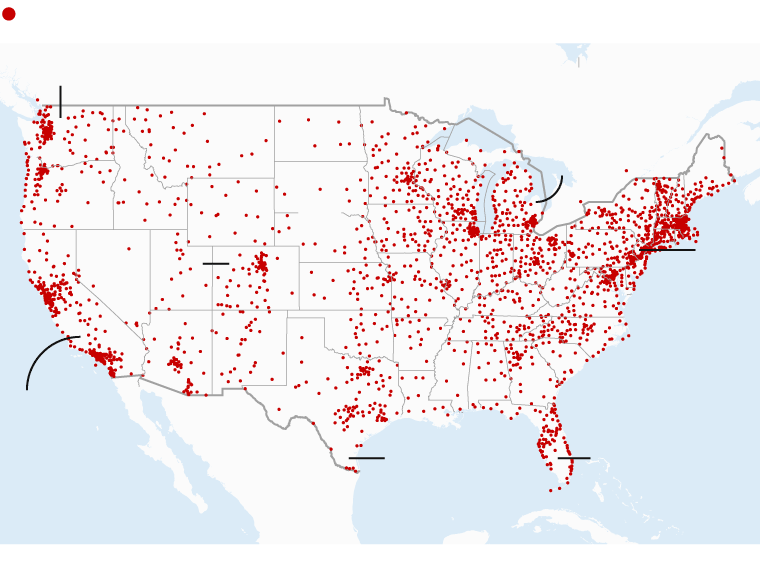
Organizers reported participation in over 2,700 events across all 50 U.S. states, with estimated total attendance exceeding 7 million people. (WIRED)
Key cities saw exceptional turnouts: for example, Chicago was estimated to host ~100,000 protesters in Grant Park, while other major loci included New York and Washington, D.C. (The Guardian)
This kind of breadth — both in number and geography — signals that the movement tapped into widely-distributed grievances rather than isolated pockets of dissent.
2. Clear framing and messaging
The “No Kings” slogan explicitly critiques the idea of executive overreach and the notion of one individual acting like a monarch rather than a democratically-elected official. As organizers put it:
“Today, millions of Americans stood together to reject authoritarianism and remind the world that our democracy belongs to the people, not to one man’s ambition.” (WIRED)
This framing offers both urgency (authoritarianism) and collective identity (we avoid kings) — a potent combination for mobilizing diverse participants.
3. Movement growth and momentum
This iteration was not a one-off: the June 2025 “No Kings” protests already drew millions, and the October event appears to have surpassed that earlier effort in size, reach, and visibility. (The Verge)
That kind of continuity helps build infrastructure (organizations, local chapters, communication networks) and trust (people seeing that their participation matters).
4. Peaceful atmosphere, strong optics
Despite the sheer scale, the events were largely peaceful. Organizers emphasized non-violent protest and made resources available for participants. (The Wall Street Journal)
Visually striking elements — massive crowds, inventive signs, symbolic imagery — helped the movement’s footprint extend into media coverage and broader public awareness. (WIRED)
What It Accomplished
Symbolic signaling of resistance
By rallying millions, the protests sent a strong signal: a large swath of the U.S. populace is concerned about democratic backsliding and executive power. The scale alone challenges narratives that dissent is marginal. The Guardian described it as “millions across all 50 states” marching. (The Guardian)
Catalyzing public discourse on executive power and democracy
The movement forced questions: What does it mean to accuse a president of acting like a king? At what point is protest no longer fringe but mainstream? These issues spilled into mainstream media and political discourse, adding pressure on institutions and public opinion.
Building infrastructure for future organizing
With thousands of events in urban centers and small towns alike (e.g., a rally in Manistee, Michigan drew ~925 participants) the movement has built localized capacity and networks of activists. (Manistee News Advocate)
Such localized presence matters for sustaining momentum beyond large events.
Framing a broad coalition
Coverage noted that participants ranged across cities, demographics, and causes — indicating the movement is not limited to a narrow issue-group but taps into a broader concern about governance, rights, and accountability. (WIRED)
The Challenges & What Comes Next
From protest to policy?
Mobilizing is not the same as winning. As some analysts note, large demonstrations create visibility, but lasting change often demands sustained organizing, electoral participation, and institutional strategy. (The Guardian)
The movement will need to convert momentum into concrete demands, policy changes, or electoral shifts if it wants to shift power dynamics.
Maintaining unity amid diversity
With such a broad coalition, internal tensions can emerge: different groups will have different priorities (immigration, civil-rights, climate, labor). Aligning around a common agenda without diluting the message is a critical next step.
Navigating backlash and polarization
Large protests provoke reaction. Some supporters of the administration called the events anti-American or extremist. (The Wall Street Journal)
Future actions will need to manage narratives, avoid marginalization, and ensure messaging resonates beyond existing supporters.
Sustaining engagement beyond the day of protest
Momentum can fade if not captured and channelled. The organizers will need to keep participants engaged, maintain local groups, and link the protests to ongoing actions (legislation, campaigns, community organizing).
Conclusion
The No Kings protests on October 18 2025 achieved a remarkable level of success: broad participation, national visibility, and a clear statement of dissent. They shifted the narrative, demonstrated organizational capacity, and underscored that a large number of Americans are attuned to concerns about executive power and democratic norms.
Whether this moment becomes a lasting turning point depends on what comes next — the translation of protest energy into strategy, the forging of alliances, and the building of institutional strength. But for one day, the movement succeeded spectacularly in making its voice heard.