
Tragedy in Brentwood: The Deaths of Rob Reiner and Michele Singer Reiner
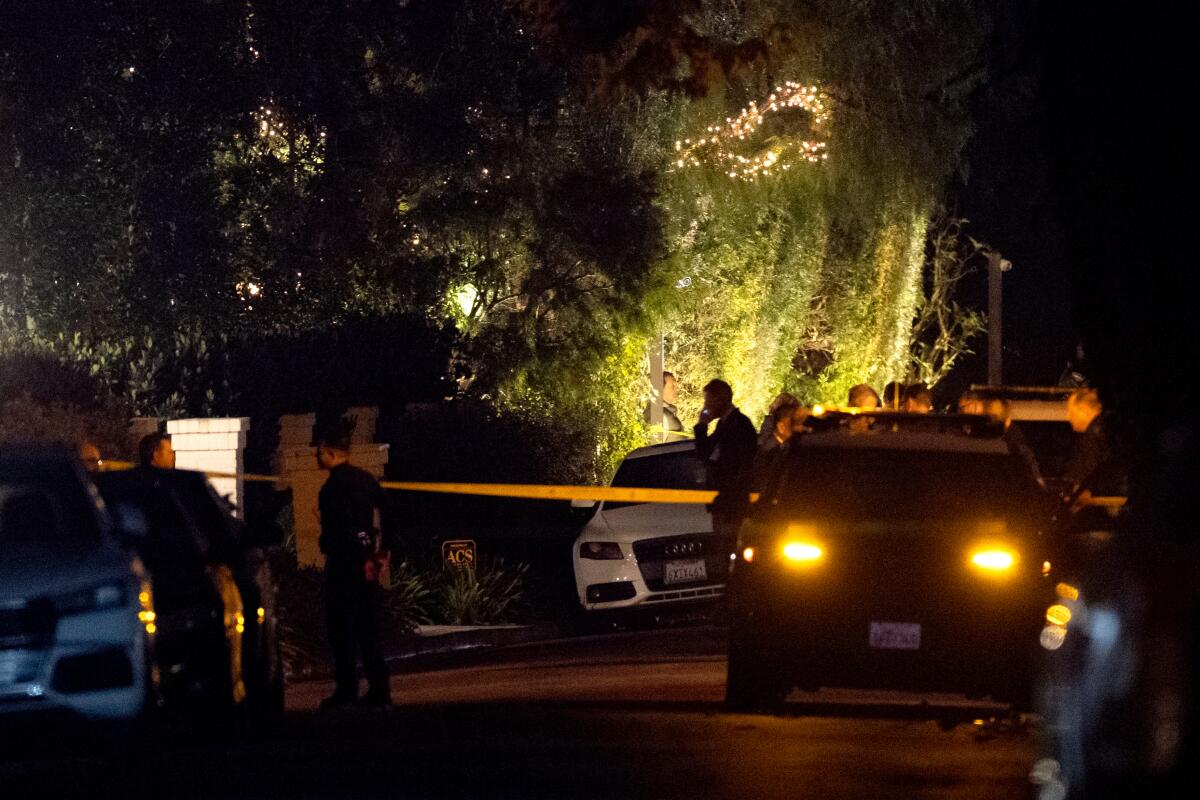
Renowned filmmaker and actor Rob Reiner and his wife, Michele Singer Reiner, were found dead in their Los Angeles home on Sunday, December 14, 2025, in what authorities are investigating as a double homicide. Police responded to a medical aid call in the upscale Brentwood neighborhood and discovered the couple with fatal stab wounds. (VINnews)
Reiner, 78, was a Hollywood icon whose career spanned six decades — from his Emmy-winning role on All in the Family to directing classics like Stand by Me, When Harry Met Sally…, and The Princess Bride. Michele Singer Reiner, 68, was a respected photographer and longtime partner. (People.com)
Sources close to the family have indicated that their son, Nick Reiner, is being questioned in connection with the deaths, and law enforcement has taken him into custody. (People.com)
The shocking nature of this crime has drawn widespread media attention and an outpouring of grief from the entertainment community, political colleagues, and fans. Tributes have emphasized both Reiner’s artistic contributions and his advocacy on social issues. (AP News)
A Political Reaction That Sparked Outrage
In the hours after the news broke, President Donald Trump issued a statement on Truth Social that quickly became the focus of widespread criticism. Instead of delivering a conventional condolence message, Trump blamed Reiner’s death on what he termed “Trump Derangement Syndrome” — implying that Reiner’s political criticism of him had contributed to the tragedy. (People.com)
That framing was perceived by many as callous and inappropriate, drawing sharp rebukes not only from critics but also from some conservative commentators and Trump allies who found the remarks inappropriate given the circumstances. (The New Republic)
Celebrities and political figures across the spectrum condemned the tone of the statement. Figures on The View and in entertainment circles described the remarks as “shocking” and lacking in basic compassion for a grieving family. (Toofab)
Contrasting Responses: Reiner vs. Charlie Kirk
The chaotic aftermath of the Reiner family tragedy has drawn comparisons to earlier reactions around the murder of conservative activist Charlie Kirk in September 2025.
At Kirk’s memorial service, President Trump honored him as a “martyr for American freedom”, celebrating his legacy and encouraging supporters to carry forward his mission. His widow, Erika Kirk, offered forgiveness to the alleged shooter, framing her response around personal faith and reconciliation. (KSUT)
In that earlier case:
GOP leaders and Trump allies overwhelmingly treated Kirk’s death as a rallying cause, emphasizing unity, strength, and even invoking his martyrdom. (Northwest Public Broadcasting)
The narrative reinforced Kirk’s ideals and political mission in a highly public, sympathetic setting. (KSUT)
By contrast, the reaction to Reiner’s death — particularly Trump’s initial response — centered on blame and political commentary rather than sympathy or respect for the victims. That divergence has prompted criticism about political double standards in responses to violence depending on the ideological identity of the public figures involved.
Supporters of the former president and broader MAGA movement have themselves been split: while some defend Trump’s style and messaging, others have publicly rejected what they see as insensitive commentary following a family's sudden loss. (The New Republic)
Why This Matters
The wildly different reactions to these two tragedies — one honoring a figure’s legacy and uniting supporters, the other drawing heat for politicizing grief — highlight how partisan lenses shape public discourse in moments of violence. Critics argue that leaders should rise above politics when addressing death and focus on empathy; proponents of strong political rhetoric contend that all commentary reflects broader cultural conflict.
What is clear is that both events have sparked not just mourning, but debate — about leadership, empathy, media narratives, and how political identity influences public reaction to tragedies.