

The Reagan Era and the Glorification of Wealth
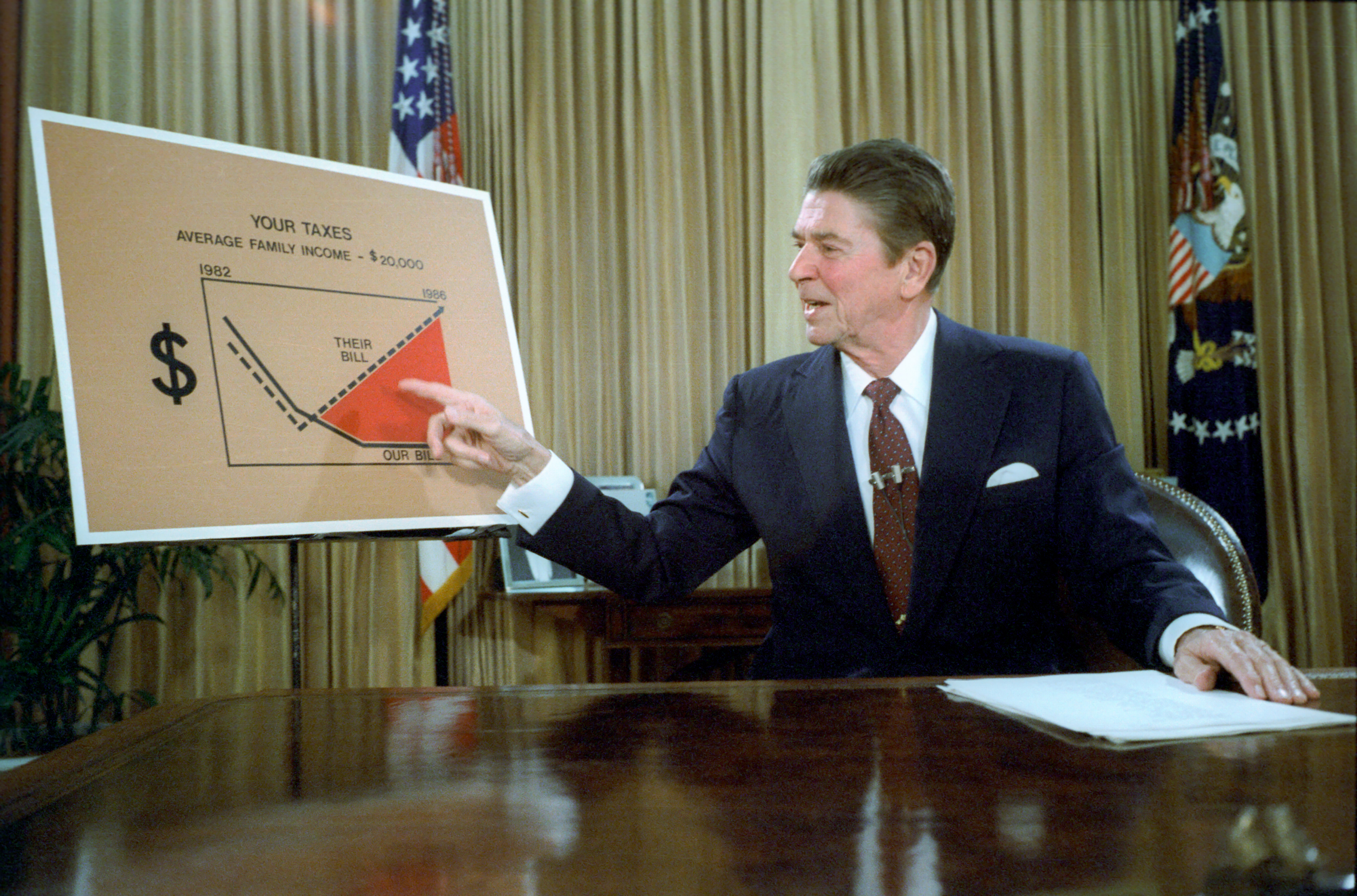
During the 1980s, a cultural shift occurred in the United States that reshaped how Americans viewed money, success, and social status. Under the presidency of Ronald Reagan, economic policy emphasized deregulation, tax cuts, and a strong belief in free-market prosperity. But alongside those policies, popular culture began celebrating wealth in ways that had rarely been seen before. Television, movies, advertising, and consumer brands increasingly portrayed luxury not just as desirable, but as the ultimate symbol of achievement.
This transformation was visible across media. The television show Dallas turned oil tycoons into household icons, while Dynasty revolved around opulent lifestyles filled with designer clothes, sprawling mansions, and corporate power struggles. These shows didn’t simply depict wealth; they glamorized it. Viewers were invited to imagine themselves inside a world of endless money, influence, and consumption.
Films reinforced the same message. Movies such as Wall Street and Trading Places explored the excesses of financial culture while still presenting wealth as alluring. Even when greed was criticized, it remained visually seductive. The famous declaration by fictional financier Gordon Gekko that “greed is good” became one of the most quoted lines of the decade.
Fashion and consumer goods followed suit. Designer labels like Gucci, Versace, and Rolex became symbols of personal triumph. Luxury cars from BMW and Mercedes-Benz were no longer just vehicles; they were status signals. Even the rise of music television, especially through MTV, contributed to the spectacle. Music videos often featured yachts, sports cars, champagne, and lavish mansions, reinforcing the idea that wealth equaled success.
In economic terms, this cultural glorification of prosperity had real effects. Aspirational marketing encouraged Americans to spend more. Credit expanded rapidly, making it easier for consumers to finance luxury purchases that might once have been unattainable. Consumer spending surged throughout the decade, helping fuel economic growth and corporate profits. The American economy became increasingly driven by consumption, and the dream of upward mobility was packaged and sold through media and advertising.
But this transformation also had a darker side. As images of wealth dominated the cultural landscape, the gap between those who had and those who didn’t became more visible—and more painful. The 1980s saw rising income inequality, and many working-class Americans faced stagnant wages even as the symbols of affluence surrounded them.
For lower-income families, the constant display of luxury created new social pressures. The cultural message was clear: success meant visible wealth. Those who lacked it could feel excluded from the American story being broadcast on television screens and billboards. In some cases, the push to keep up with the culture of consumption drove households into debt.
The shift also influenced national attitudes toward poverty. If wealth was the ultimate marker of success, poverty increasingly appeared as personal failure rather than the result of structural economic forces. This cultural framing made it easier for policymakers to justify reductions in social programs during the Reagan years.
The glorification of wealth during the 1980s was therefore both powerful and complicated. On one hand, it energized consumer markets, boosted spending, and contributed to a decade of visible economic expansion. On the other, it deepened social divisions and reshaped the American value system around status, luxury, and financial success.
The legacy of that era still lingers today. Modern advertising, social media influencers, and celebrity culture continue to promote highly visible lifestyles of abundance. What began during the Reagan years helped redefine the American Dream—not just as the opportunity to succeed, but as the expectation to display that success for the world to see.